Begin with the guest moment
Hospitality product programs work best when they solve a clear experience need. The opportunity may be a resort retail selection, an in-room gifting concept, a spa shop, an event program, a staff purchase initiative, or a branded corporate experience. Each use case has different expectations for fit, hygiene, presentation, quantity, and communication.
The product should not be added simply because it belongs to a broad "wellness" category. It should make sense in the physical journey of the guest or participant.
Retail and gifting are different systems
A retail assortment lets the guest choose model, color, and size. It requires merchandising, product education, stock depth, point-of-sale data, and a clear customer-service process.
A gifting program often needs advance size collection, a limited choice architecture, packaging decisions, distribution planning, and a method for handling unsuitable sizes or preferences. Those operational questions can matter more than the creative concept.
Tactile products benefit from explanation
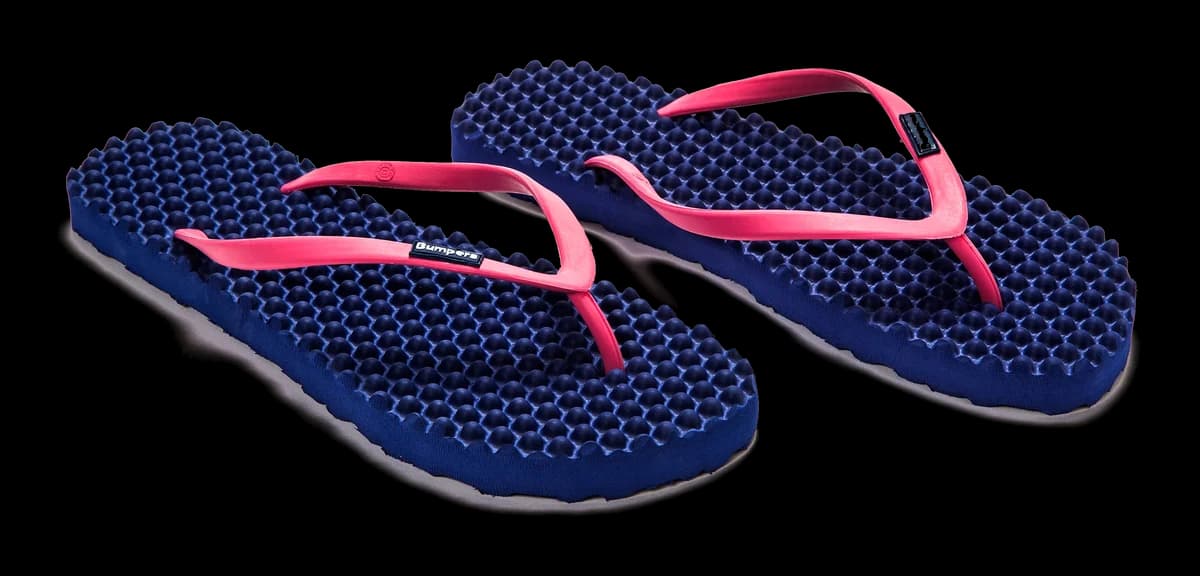
A distinctive textured footbed can create a memorable discovery moment in a spa or resort setting. The accompanying language should remain grounded: a noticeable, massage-inspired sensation designed for everyday comfort. Guests should not be told that the product will treat pain, improve circulation, or deliver a guaranteed wellness outcome.
This is both a claims issue and a guest-trust issue. Hospitality teams need short, approved language that does not require them to interpret medical questions.
Questions to resolve before a program
- Is the product for retail, gifting, staff use, or an experience concept?
- How will models, sizes, and colors be selected?
- Who owns stock and customer service?
- What packaging and brand treatment are appropriate?
- Are customization requests technically and commercially feasible?
- Which markets and properties are involved?
- What product, import, safety, and labeling review is needed?
- How will guest-facing claims be approved?
Pilot around learning
Where appropriate, a defined pilot can help both parties learn about product interest, size demand, presentation, guest questions, operational handling, and reorder potential. A pilot should still have clear objectives, responsibilities, approved content, and a review point.
Bumpers Comfort Ltd considers hospitality and wellness opportunities individually. Product supply, customization, quantities, timing, packaging, and territory are discussed only after the use case and business fit are understood.
Present a hospitality concept: Start a hospitality and wellness inquiry.