Marketplace content is an operating system, not a collection of isolated listing assets. Product identifiers, variation relationships, titles, attributes, images, claims, and availability must describe the same physical item. When those elements drift apart, customers receive conflicting information and channel teams spend time correcting preventable errors.
Give every image a defined job
A useful footwear image set normally includes a clear primary view, additional angles, sole and footbed detail, scale or profile context, color accuracy, and packaging or included-component views where relevant. Lifestyle imagery can explain use context, but it should not replace the views needed to inspect the product.
Each image should be connected to a specific model and colorway. File names, alt text, crop rules, background treatment, and ownership status belong in the asset record. “Blue sandal image” is not enough when several variants exist.
Marketplace requirements vary and can change. Teams should consult the current rules for each destination rather than relying on an old export or another seller’s listing.
Protect variant accuracy
Footwear often combines model, color, and size variations. A parent relationship can improve navigation, but only when each child record has the correct identifier, image, attributes, and availability. Reusing an image across visually different colors or associating the wrong size information damages trust.
The source record should distinguish the stable product model from the sellable variant. It should also state which fields are inherited and which vary. This is where GTIN or other approved identifiers, internal SKU, model name, color name, size system, and market-specific labels need disciplined ownership.
GS1 guidance provides a useful foundation for identifier governance. The assignment still has to match the actual product and packaging configuration used by the business.
Build a controlled image matrix
An image matrix can list every required role against every active variant. Typical roles include:
- primary product view;
- side and rear views;
- top or footbed detail;
- outsole detail;
- material or texture close-up;
- dimensional or fit guidance where approved;
- packaging and included components;
- approved lifestyle context.
The matrix should identify source file, dimensions, crop status, color approval, rights, last review, and channels where the asset is permitted. This reduces the temptation to download and reuse whatever image is easiest to find.
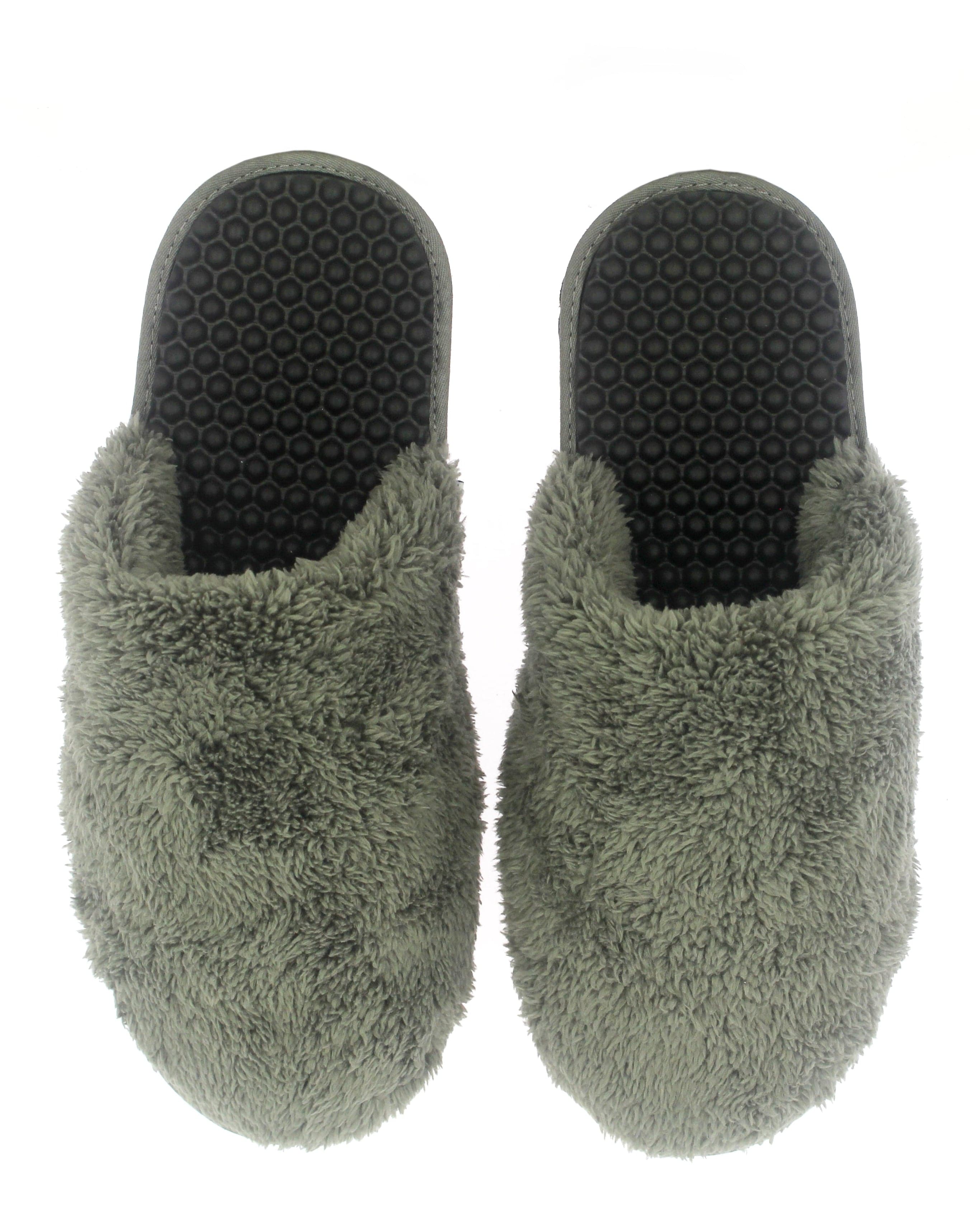
For Bumpers, macro imagery of the rounded footbed can help explain the tactile signature. The caption and adjacent copy should remain descriptive and should not imply medical effects.
Keep copy and imagery synchronized
An image may communicate a product fact even when no words appear. A sustainability badge, clinical-looking diagram, flag, certification mark, or material label can create a claim. The evidence and permission behind those visual elements should be reviewed just as carefully as written copy.
Product titles and bullets should use approved terminology. If a listing calls the same model by several names, search systems and customer-service teams may treat it as several products. The source catalog should define protected brand and model names, approved category language, and market-specific translations.
Design for channel updates
Listings change after launch. A new image, corrected material statement, discontinued color, or revised care instruction must reach every authorized channel. Without an update process, the most visible page may continue to show obsolete information.
A practical workflow includes an owner, approved source, change reason, affected variants, affected locales, channel destinations, publication date, and verification step. Critical corrections should not depend on a single person remembering every storefront.
Structured product data can support this discipline. Search engines and marketplaces use machine-readable relationships differently, but both benefit when identifiers and attributes are stable and accurate.
Separate marketplace readiness from marketplace authorization
Preparing data does not authorize a distributor, agency, or seller to open a storefront. Marketplace rights should be explicit and connected to account ownership, territories, fulfillment, customer service, content control, pricing policy where lawful, and termination procedures.
The international website invites proposals; it does not claim that Bumpers currently operates on every marketplace or that any applicant will receive authorization.
A pre-publication check
Before publishing a footwear listing, verify:
- the sellable variant and identifier are correct;
- images show that exact model and color;
- required views are present at current specifications;
- product facts match the approved record;
- wellness and material language stays within evidence;
- localization has been reviewed;
- asset rights cover the intended channel;
- customer-service and availability information is current.
The best marketplace page is not the one with the most graphics. It is the one that lets a customer inspect the right product and lets the business maintain that truth over time.
Preparing a marketplace proposal? Submit the proposed platform, territory, and operating model for review.
Related reading
- Preparing a footwear brand for Amazon and international marketplaces
- Why structured product data matters