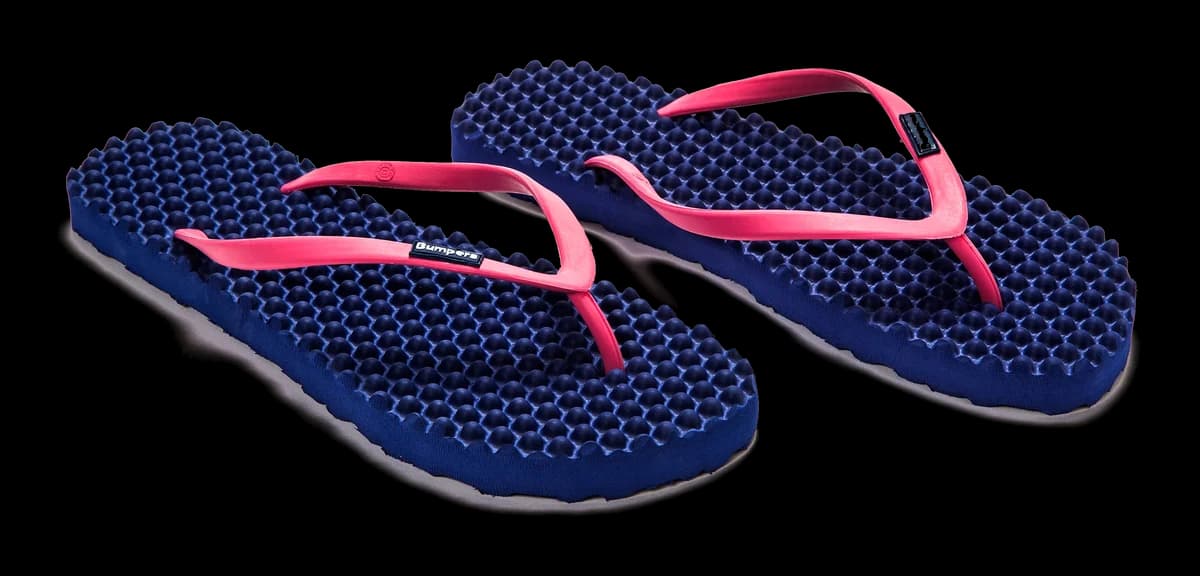
Define wellness carefully
"Wellness" can describe a shopping context, an everyday comfort intention, or a broader lifestyle category. It should not become a shortcut for medical efficacy. The assortment must be able to stand on product design, fit, quality, use occasion, and customer preference.
A good buyer begins by defining the role of the category. Is it a destination for comfort-focused customers, an add-on to apparel, a resort retail offer, a recovery-oriented sports assortment, a gifting concept, or a home-use category? That role shapes everything that follows.
Build around use occasions
Use occasions make the assortment easier to understand and merchandise. Examples can include home, leisure, warm weather, travel, post-activity changing, hospitality, and everyday casual use. These contexts are clearer than vague promises that a product will improve health.
Within each occasion, buyers can compare format, texture, weight, fit, color, care, and how much explanation the product needs. A pronounced tactile experience may benefit from a try-on moment and concise staff guidance.
Balance discovery and continuity
Color and novelty can attract attention, but core options help customers make a dependable choice. A balanced opening range may combine recognizable colors with a smaller number of expressive variants. The exact mix should follow the store audience, available product data, and the supplier's current assortment.
Size planning deserves equal attention. An attractive display with incomplete or poorly explained sizing can create disappointment and extra work. Model-level size ranges should be documented, not inferred across an entire brand.
Train for accurate conversation
Store teams need a short product explanation, a fitting approach, care guidance, a clear return or escalation process, and a list of claims they should not make. This is especially important where the product has a wellness association.
Useful language stays close to the product: textured footbed, tactile sensation, everyday comfort, and personal preference. Staff should not diagnose a customer or promise relief from a condition.
Review performance with context
Sell-through is important, but it should be read alongside size availability, display position, staff confidence, online content quality, returns, and customer questions. A product may need better education rather than a broader range. Another may attract interest but create confusion because the product page is incomplete.
The strongest wellness-footwear assortment is not the one with the largest number of health claims. It is the one customers can understand, try, compare, and buy with realistic expectations.
Review the current Bumpers categories: Explore products.