Distinction must be easy to explain
A retailer sees many product proposals. The strongest do not require a long presentation before the buyer understands why the product belongs in the assortment. A comfort-footwear brand needs a visible or tangible point of difference, a credible audience, and a concise explanation that store teams can repeat accurately.
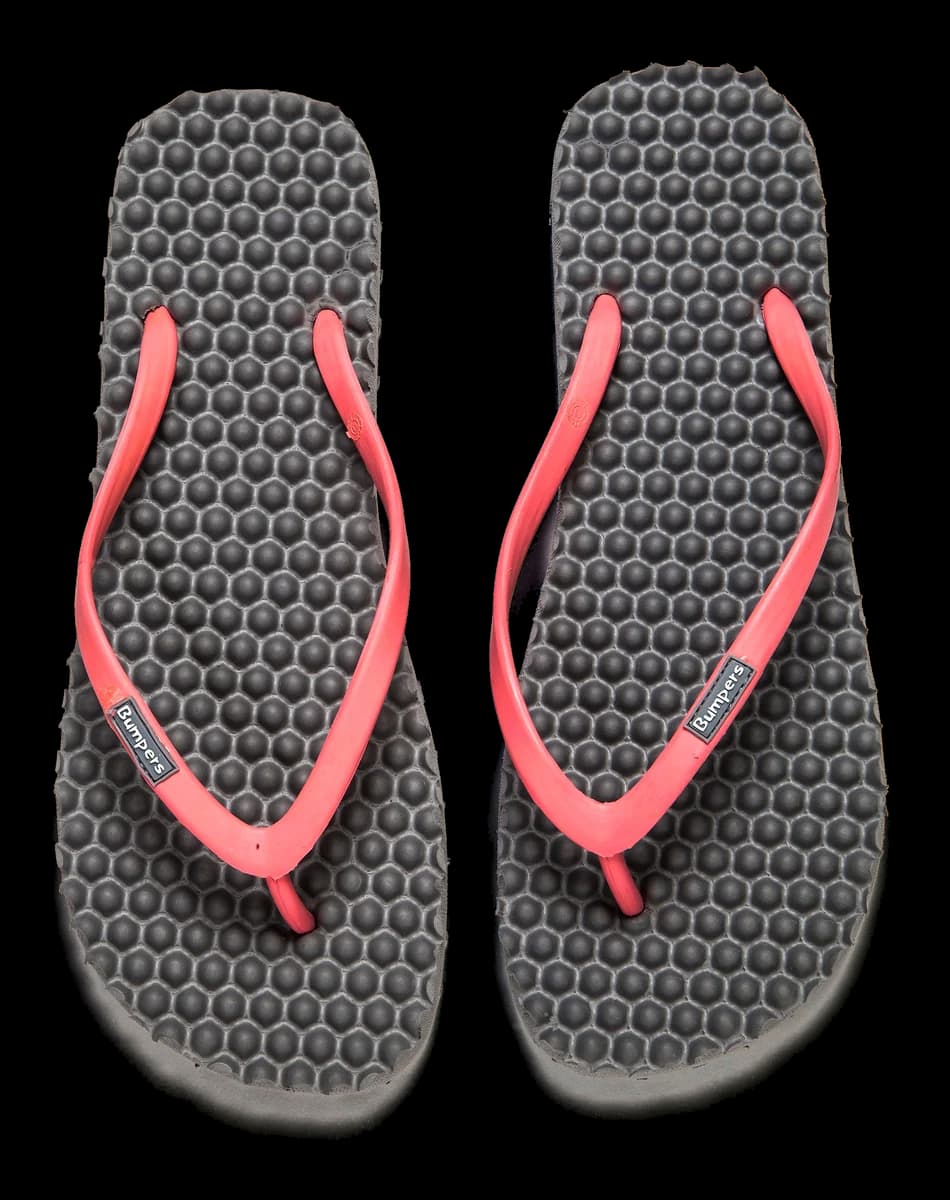
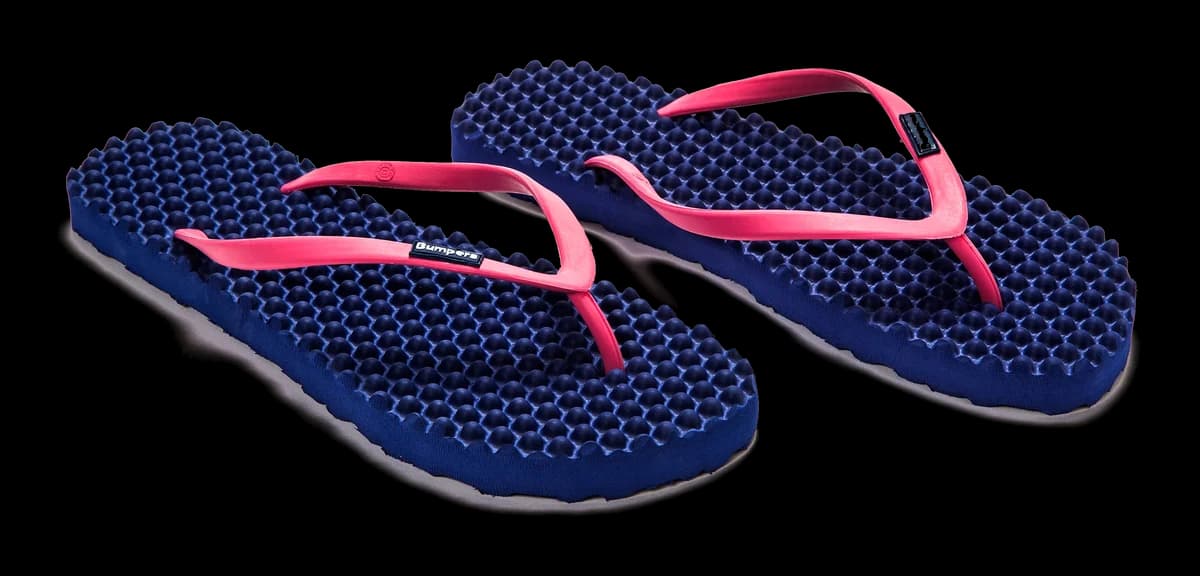
That distinction should also survive contact with the product. A striking campaign cannot compensate for a weak in-store experience. For Bumpers, the rounded underfoot texture is the clearest product signature. It can be seen in product photography, felt during a fitting, and described without resorting to unsupported medical promises.
Assortment must serve a real customer
Buyers evaluate more than an individual model. They consider color balance, size coverage, category role, seasonality, price architecture, display needs, and how the line complements products already in store. A broad catalog is not automatically a useful one.
The opening conversation should therefore focus on the retailer's audience and channels. An independent lifestyle store, a comfort specialist, a resort shop, and an online marketplace may each need a different assortment. The brand should be able to discuss those differences while keeping product facts consistent.
Product information is part of the product
Retail now moves between physical and digital environments. Buyers need stable model names, identifiers, images, variant relationships, dimensions, materials, care guidance, packaging data, and approved descriptions. Missing or contradictory information creates work for the retailer and confusion for the consumer.
Structured data is increasingly important for search systems, marketplaces, retail feeds, and AI-assisted product discovery. A brand that treats product data as an operating asset is easier to onboard and easier to represent accurately.
Commercial confidence comes from process
Retailers also look for clarity about ordering, availability, channel authorization, customer service, and what happens after approval. Those details belong in current commercial materials and direct discussion, not in broad public promises.
A credible first process is simple: understand the business, review fit, discuss range and requirements, provide current terms to approved partners, and plan the launch together. It gives both sides room to ask serious questions before committing.
Questions for a buyer conversation
- Who is the intended customer and what problem does the assortment solve for them?
- What makes the product memorable in store and online?
- Which product fields and assets are ready for onboarding?
- Which sales channels are being requested?
- What level of education will store teams need?
- Which claims are documented and approved?
Retailers are not only selecting products. They are selecting the work, risk, and story that come with those products. The better a brand prepares all four, the better the conversation becomes.
The verified Israel retail network provides a current, location-level view of Bumpers activity without implying that listed stockists are company-owned or that availability is guaranteed.
Exploring a retail opportunity? Start a wholesale inquiry.