Discovery begins before explanation
Some products are understood primarily through specifications. Others become clear when a person touches, tries, or uses them. Tactile products can create an advantage in retail because the experience itself gives the customer a reason to pause.
That pause is valuable, but it is not the whole strategy. A distinctive sensation must be connected to clear visual presentation, responsible language, useful product information, and a simple next step. Otherwise curiosity becomes friction.
Make the point of difference visible
In-store discovery often begins several meters away. Shape, color, texture, and display composition need to communicate that something is worth approaching. Online, macro imagery and carefully framed product views serve the same purpose.
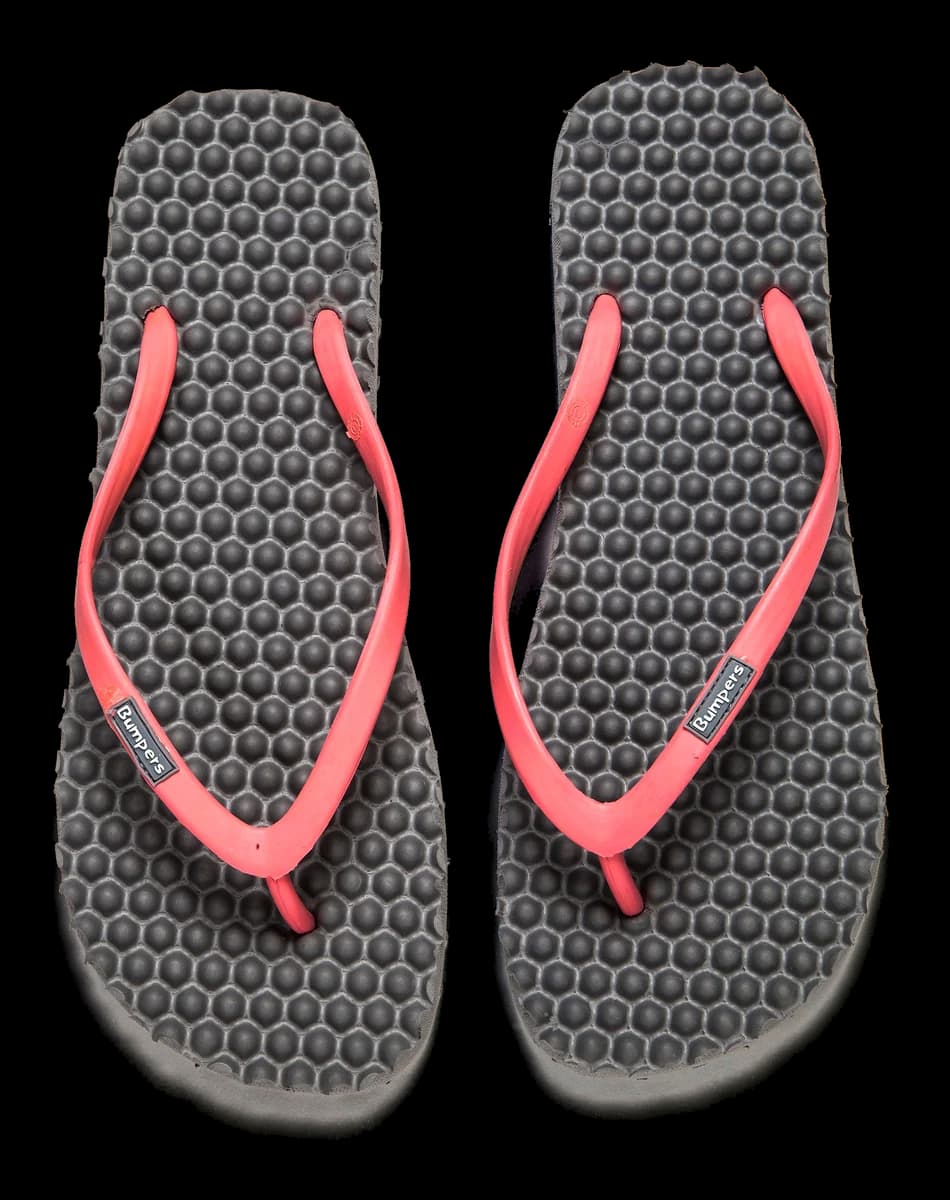
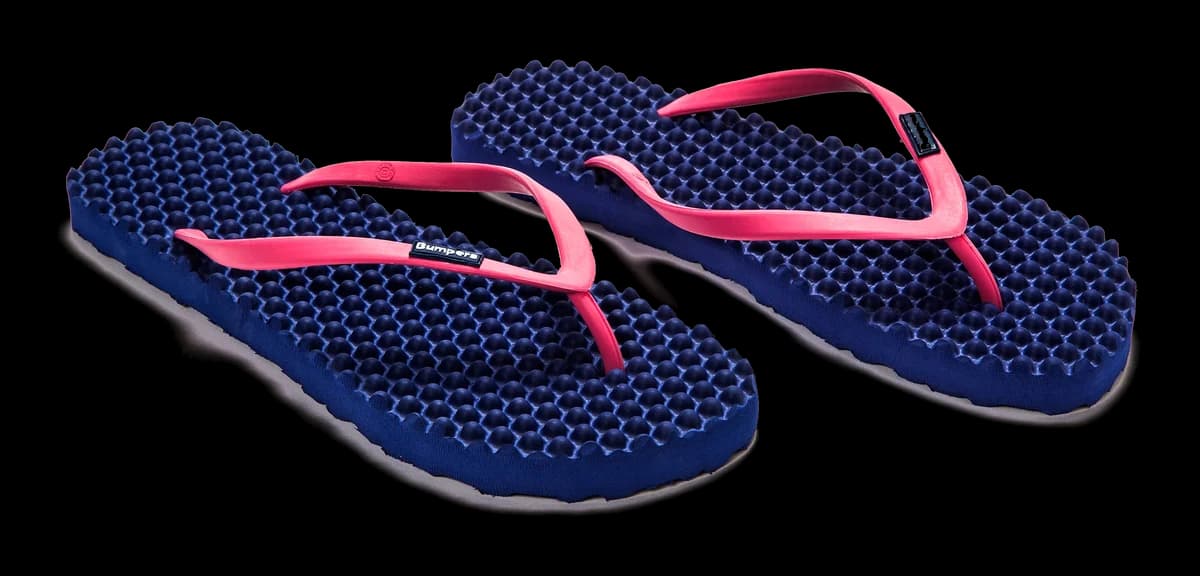
For a textured footbed, close photography can do more than a paragraph of exaggerated copy. It shows the physical structure and allows the product story to remain factual: rounded textures, repeated contact points, and a noticeable massage-inspired underfoot sensation.
Give the customer a safe vocabulary
Store teams and creators need language they can use confidently. Phrases such as "tactile underfoot experience," "massage-inspired texture," and "designed for everyday comfort" describe the product without implying treatment or guaranteed outcomes.
This discipline matters because consumers absorb the total impression created by words, images, diagrams, testimonials, and context. The FTC's health-products guidance emphasizes that marketers are responsible for implied as well as explicit claims. A medical-looking diagram can therefore create risk even when the surrounding headline avoids medical words.
Design the handoff from interest to information
A useful discovery journey answers the next questions quickly:
- Which model is this?
- Who is it intended for?
- What sizes and colors are currently available?
- How should it fit and be cared for?
- Where can it be purchased through an authorized channel?
- What should a customer with a health concern do?
The same principle applies to business buyers. A memorable trial should lead into accurate catalog data, current commercial information, and a clear approval process.
Measure what helps, not only what attracts
Attention is easy to overvalue. Better measures include qualified product questions, fitting completion, store-team confidence, product-page engagement, inquiry quality, repeat orders, and the number of content corrections required after launch.
A distinctive experience creates the opening. Operational clarity and honest communication turn that opening into trust.
Want to understand the product design? Explore the Bumpers Effect.