Creator partnerships can help people understand a product in a human context, especially when texture, fit, or use is difficult to communicate through a standard packshot. Credibility does not come from follower count alone. It comes from audience relevance, truthful experience, clear disclosure, disciplined claims, appropriate rights, and a working relationship both parties can actually maintain.
Start with audience and context
A creator should be evaluated against the people and situations the brand wants to reach. Audience geography, language, age profile, content themes, engagement quality, platform behavior, and previous partnerships all matter. A smaller creator with a trusted retail, lifestyle, hospitality, or comfort-focused audience may be more relevant than a much larger general account.
The review should avoid invented precision. Public audience tools are estimates, and a creator’s past reach does not guarantee a future result. Ask for current first-party platform information where appropriate, then interpret it alongside content quality and audience fit.
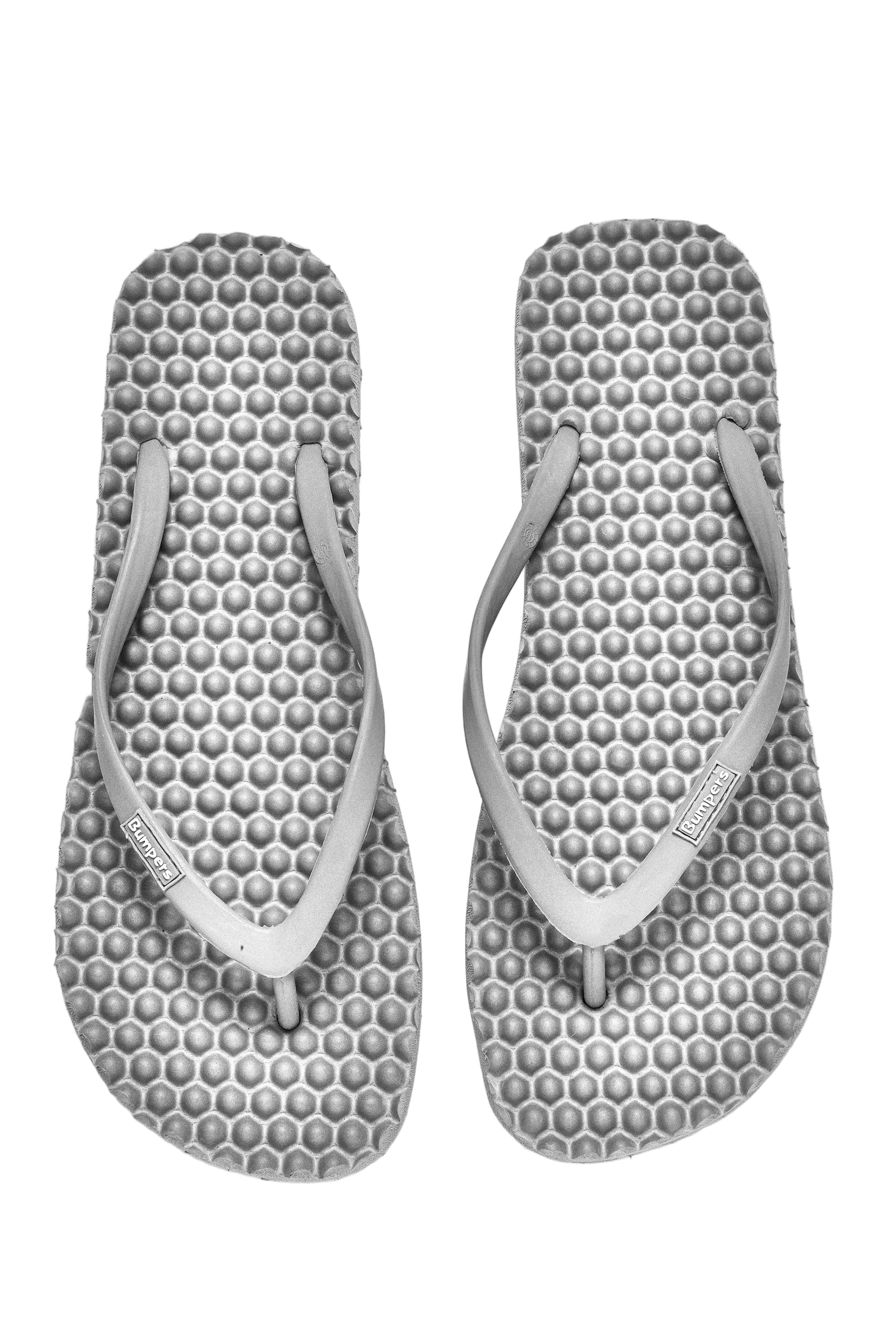
For Bumpers, the strongest content opportunity may be a clear demonstration of the product’s visible texture and the creator’s honest personal experience. It should not become a vehicle for disease, pain-relief, circulation, posture, or other medical claims.
Define product seeding clearly
Sending a product is still a material relationship in many advertising contexts, even when no cash payment is made. The brief should state whether posting is required, optional, or separately commissioned; what the creator may keep; expected timing; product-selection process; and what happens if the fit or experience is not suitable.
A creator should never be required to describe an experience they did not have. Product seeding is useful for discovery, but the brand should be prepared for no post, a neutral response, or a decision not to continue.
FTC guidance explains that material connections should be disclosed clearly and where people will notice them. Other markets may have different rules. Local legal review belongs in the campaign plan.
Give useful claims guidance
The best creator guidance is specific enough to protect accuracy without scripting a false personal voice. It can include confirmed product names, approved descriptions, what the texture is designed to do, fit and care information, prohibited medical claims, disclosure expectations, and a contact for questions.
Examples of responsible language might describe a noticeable, massage-inspired underfoot sensation and make clear that experience and comfort preference vary. Guidance should never ask a creator to imply clinical proof or a guaranteed outcome.
Claims monitoring is part of partnership management. If published content goes beyond approved facts, the brand should have a respectful correction process and keep a record of the resolution.
Agree content and usage rights before publishing
A social post and a reusable commercial asset are not the same permission. Agreements should identify the content deliverables, channels, territories, usage period, editing rights, paid-media rights, whitelisting or account access, raw files, subtitles, localization, attribution, and approval process.
The creator may own music, photography, design, or third-party elements that cannot be transferred freely. The brand should not assume that receiving a file grants unlimited use. Rights should be proportionate, understandable, and documented.
Localization can also change meaning. A translated caption or edited clip should preserve the creator’s actual experience and the original disclosure. Native and legal review may be required before reuse in another market.
Build a practical review workflow
A credible workflow might include:
- partner qualification and conflict check;
- written brief and claims guidance;
- product selection and delivery confirmation;
- honest product evaluation period;
- content review for factual and legal issues where agreed;
- clear disclosure at publication;
- link and code governance if used;
- monitoring, results review, and rights archive.
Review should focus on accuracy, safety, disclosure, and agreed brand presentation. It should not erase the creator’s genuine perspective.
Measure more than reach
Useful measures depend on the objective. They may include qualified comments, saves, product-page visits, retailer interest, completion rate, audience questions, content quality, rights value, disclosure compliance, and the operational effort needed to deliver the work.
Follower count and impressions can provide context, but they do not measure trust or commercial relevance by themselves. A partnership that produces reusable education and a clear view of audience questions may be valuable even before direct conversion is known.
Protect the relationship
Creators should know who makes decisions, when they will be paid if applicable, how feedback works, and what information remains confidential. Brands should receive truthful reporting, timely communication, and respect for approved product facts. Both sides need a way to end or pause work if the product, audience, or timing is not suitable.
Credible creator work is not manufactured praise. It is a transparent collaboration that helps people inspect a product and understand the relationship behind the message.
Have a relevant audience and a considered concept? Submit a media or creator proposal with your channels, audience, and intended use.
Related reading
- How a distinctive product experience supports retail discovery
- Textured footbeds without medical hype