A material name is only the first fact
"Natural rubber" can sound like a complete sustainability statement. It is not. A buyer needs to know which component contains it, the percentage or formulation, what other materials are present, how the claim is verified, and whether the information applies to every model or only a specific production run.
Without that detail, a broad material claim can create more questions than confidence.
Confirm composition by component
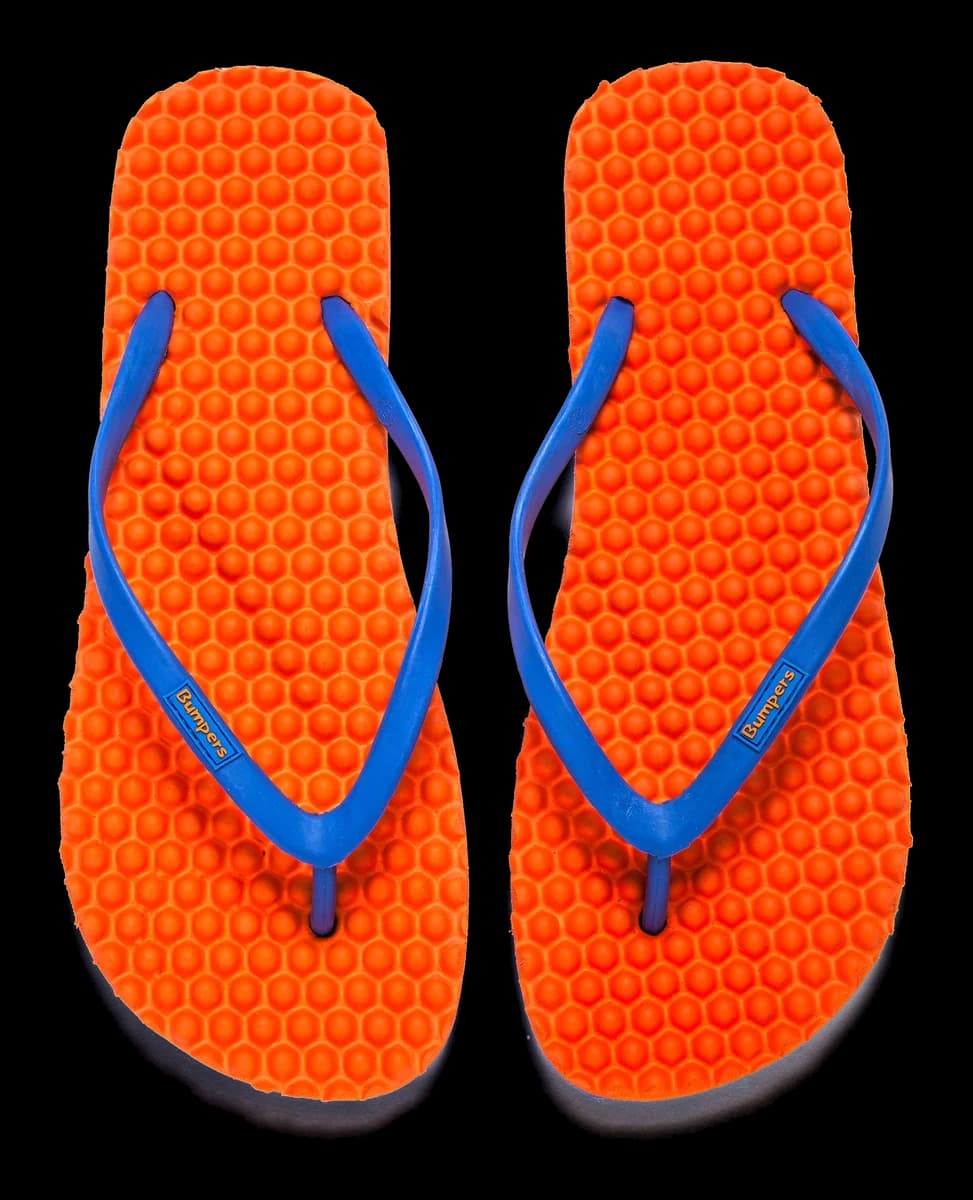
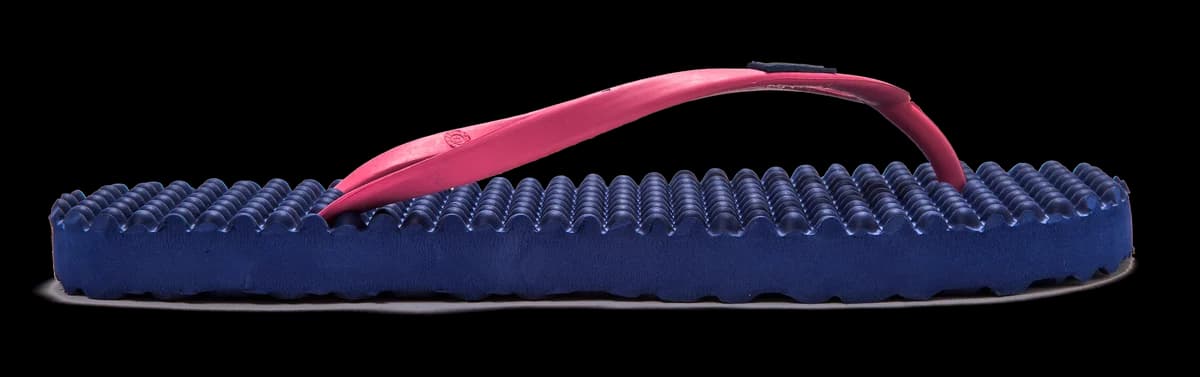
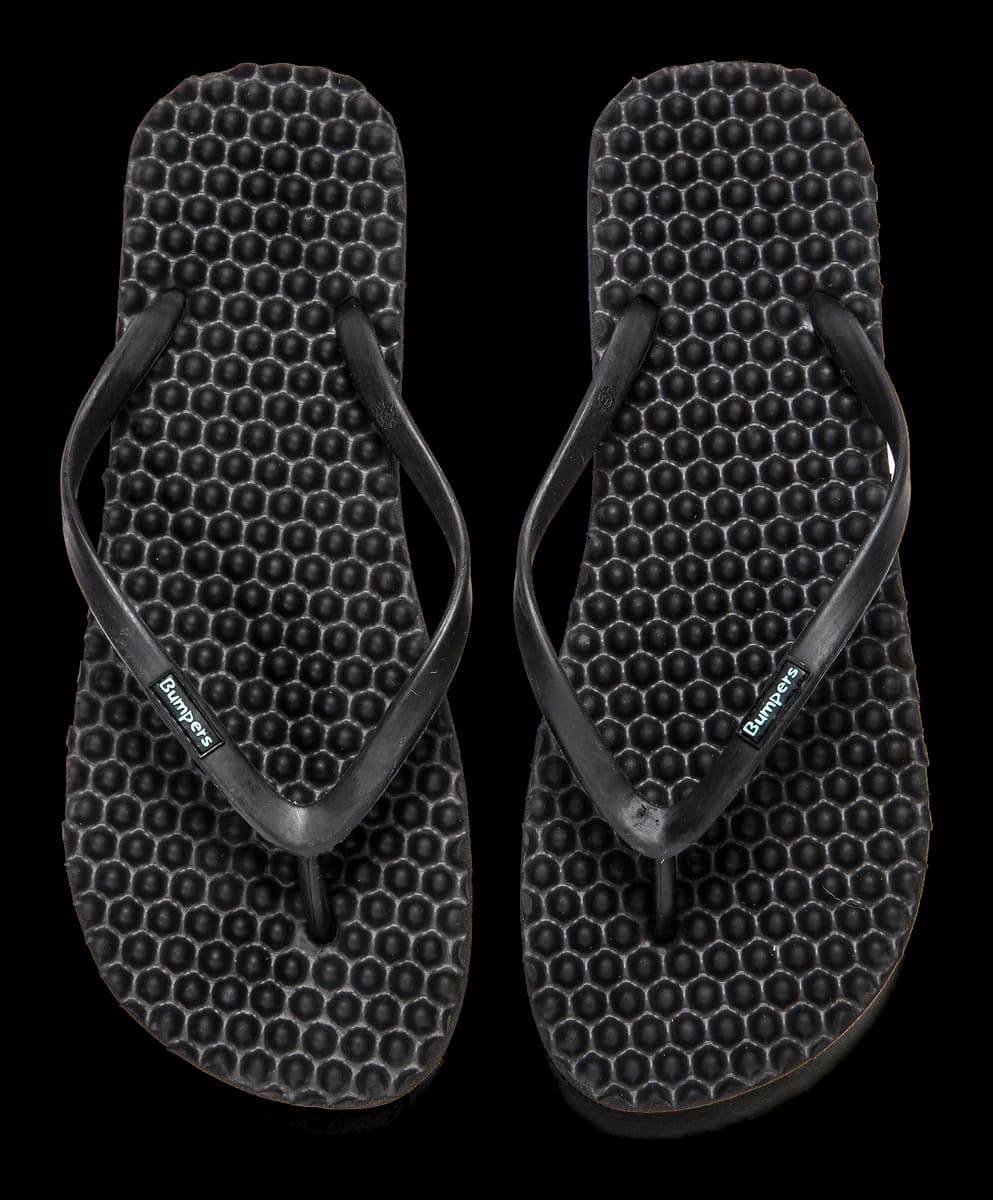
Footwear is rarely one material. The footbed, outsole, straps, adhesives, colorants, labels, packaging, and accessories may have different compositions and suppliers. Documentation should identify the relevant component and distinguish between a material being present and a product being made entirely from that material.
Useful evidence may include bills of materials, supplier declarations, technical data sheets, test reports, purchase records, and model-specific specifications. The exact evidence needed depends on the claim and market.
Ask where and how the material is sourced
Responsible sourcing questions can include geographic origin, plantation or trader traceability, labor expectations, land-use risk, chain-of-custody controls, and whether any certification applies. A certification should be named precisely, tied to a current scope, and verified rather than implied through a generic badge.
Buyers should also understand whether supply can remain consistent as volume changes. A responsible claim that cannot be supported across production may create operational and reputational risk.
Separate material preference from environmental proof
A natural origin does not automatically establish lower total impact. Farming, processing, energy, transport, durability, repair, production waste, packaging, and end of life all contribute to the product's environmental profile.
The FTC Green Guides caution against broad, unqualified environmental benefit claims because they can imply benefits that a company may not be able to substantiate. More specific wording is usually more useful: identify the material, component, verified percentage, scope, and date.
Buyer checklist
- Which model and component does the claim cover?
- What percentage or formulation is documented?
- Who supplied the information, and when was it verified?
- Are test methods and certificates current and relevant?
- What other materials are present?
- How are durability and care addressed?
- What packaging and end-of-life statements are supportable?
- Which market-specific disclosures are required?
Bumpers Comfort Ltd is following this documentation-first approach. Detailed material claims will be published only when product-specific records are ready.
Discuss product documentation: Start a product inquiry.