Latex is the beginning, not the finished claim
Natural rubber can begin with latex collected from rubber trees. Collection is followed by preservation, processing, compounding, coloring, forming, curing, assembly, finishing, and quality control. Each stage can introduce additional materials, evidence requirements, and claim boundaries.
An illustrative rubber-tree image helps explain this raw-material journey. It does not identify a confirmed Bumpers plantation, supplier, trader, factory, or chain of custody.
Distinguish four different records
Buyers should separate the raw material, the compounded material, the finished component, and the complete product. A source record may identify latex origin. A formulation record may identify the natural-rubber content of a compound. A bill of materials may show where that compound is used. A finished-product record connects every component to the model being sold.
Skipping one of these layers can turn a narrow material fact into an unintended whole-product claim.
Verify function and care separately
The presence of natural rubber does not by itself establish fit, durability, slip behavior, chemical compliance, allergen information, recommended care, or suitability for a particular environment. Those properties require their own specifications and, where relevant, tests.
Retail and distribution teams should keep product composition, performance, care, packaging, and compliance records linked but distinct.
Avoid end-of-life assumptions
Raw natural rubber and a finished footwear product are not interchangeable. Other ingredients, construction methods, use conditions, and disposal routes affect what happens at end of life.
Do not publish complete-product biodegradability, return-to-nature, certification, or universal sustainability language without evidence that covers the entire finished product and its customary disposal conditions.
A responsible publication workflow
- Define the exact model, component, market, channel, and wording.
- Match each statement to a dated source and responsible owner.
- Record composition, percentage, processing, and chain-of-custody scope where relevant.
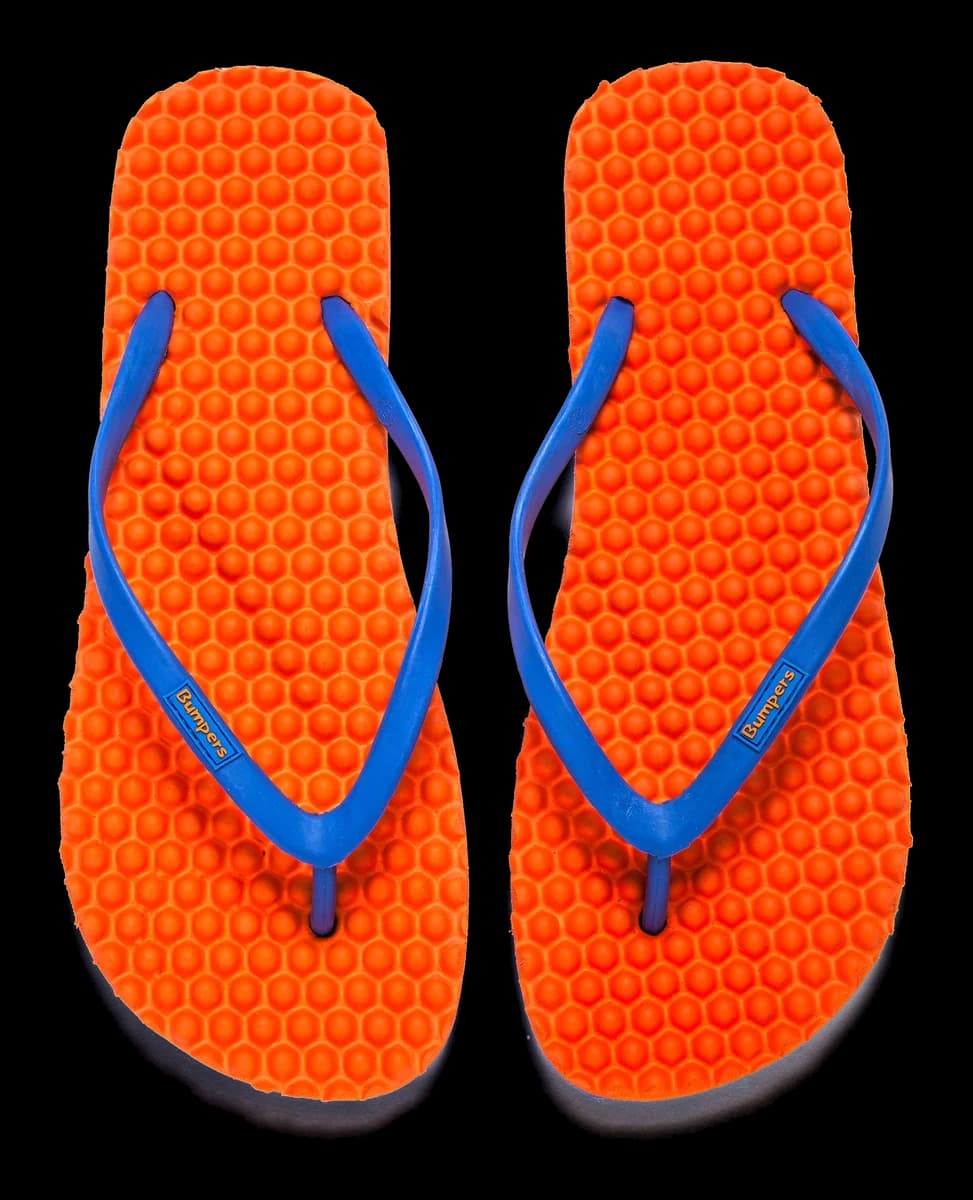
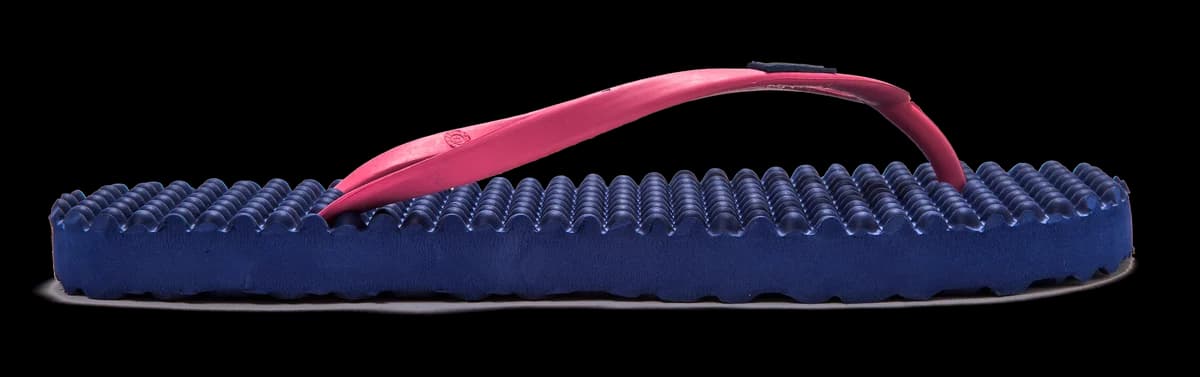
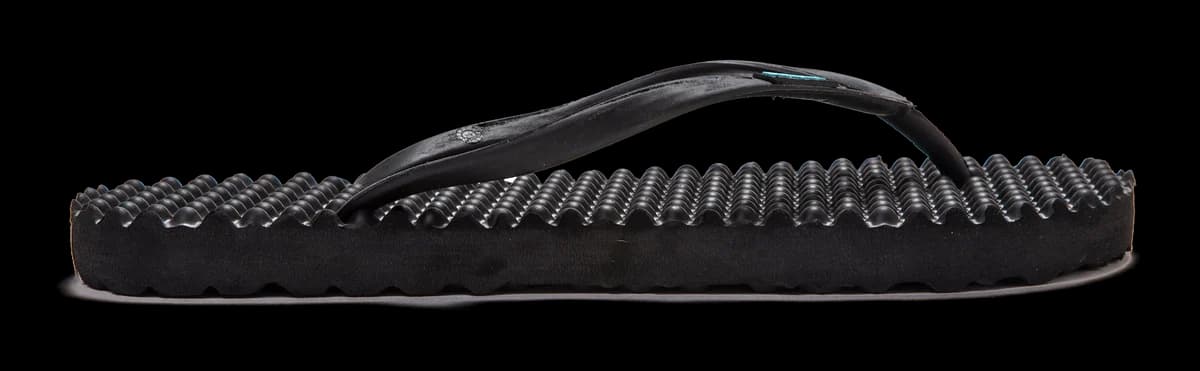
- Separate product facts from raw-material education and illustrative imagery.
- Complete legal and local-market review before publication.
- Recheck the record when any supplier, material, factory, or formulation changes.
Continue with the Bumpers materials page, review wording in the Responsible Claims Checker, or discuss partner documentation.