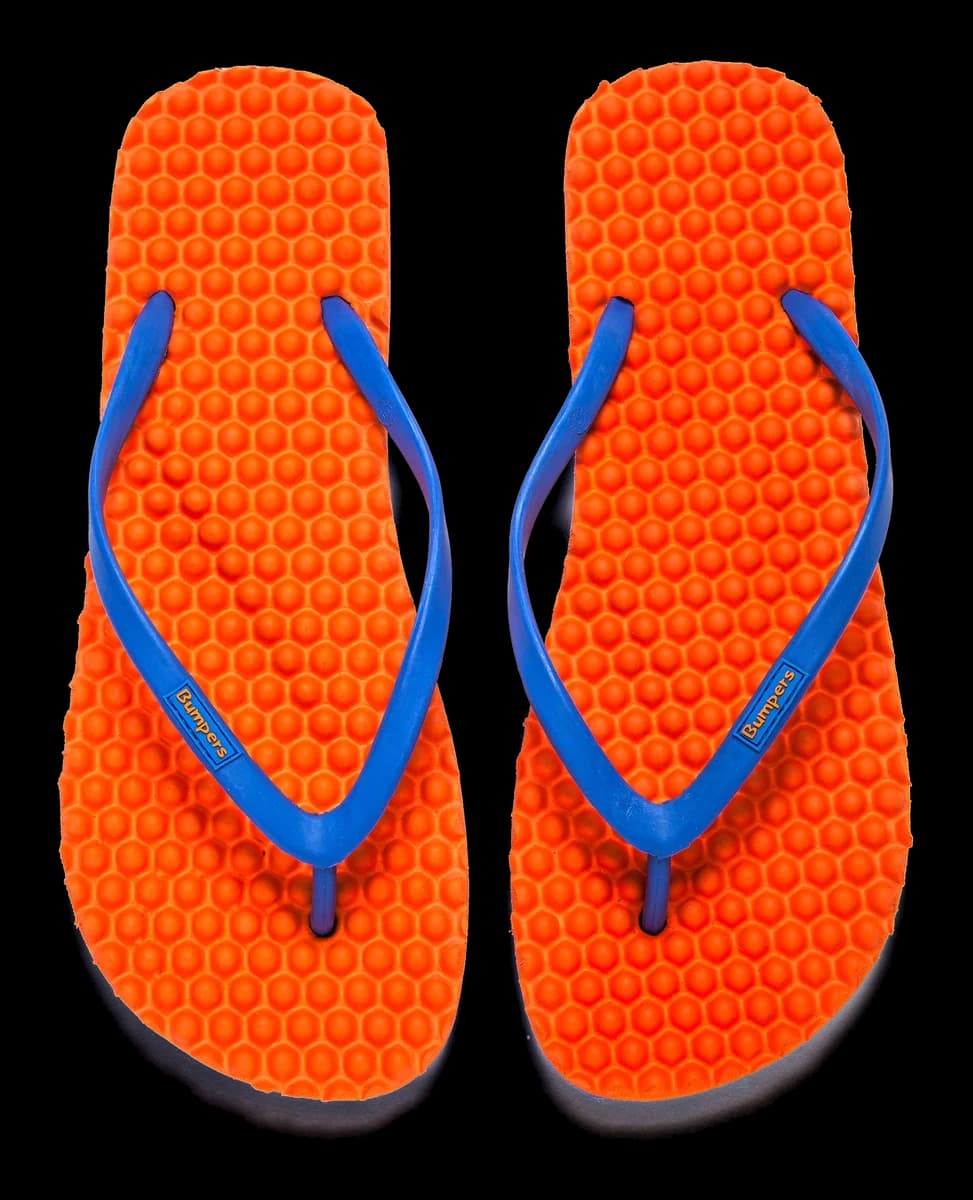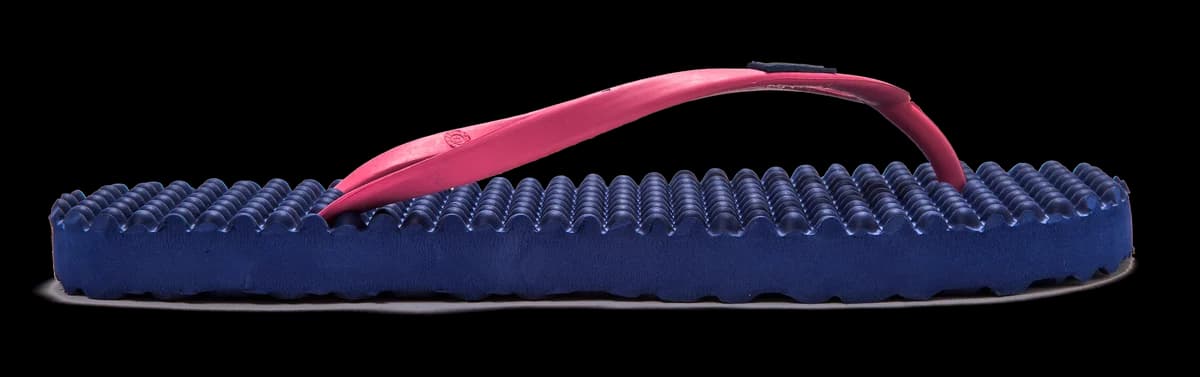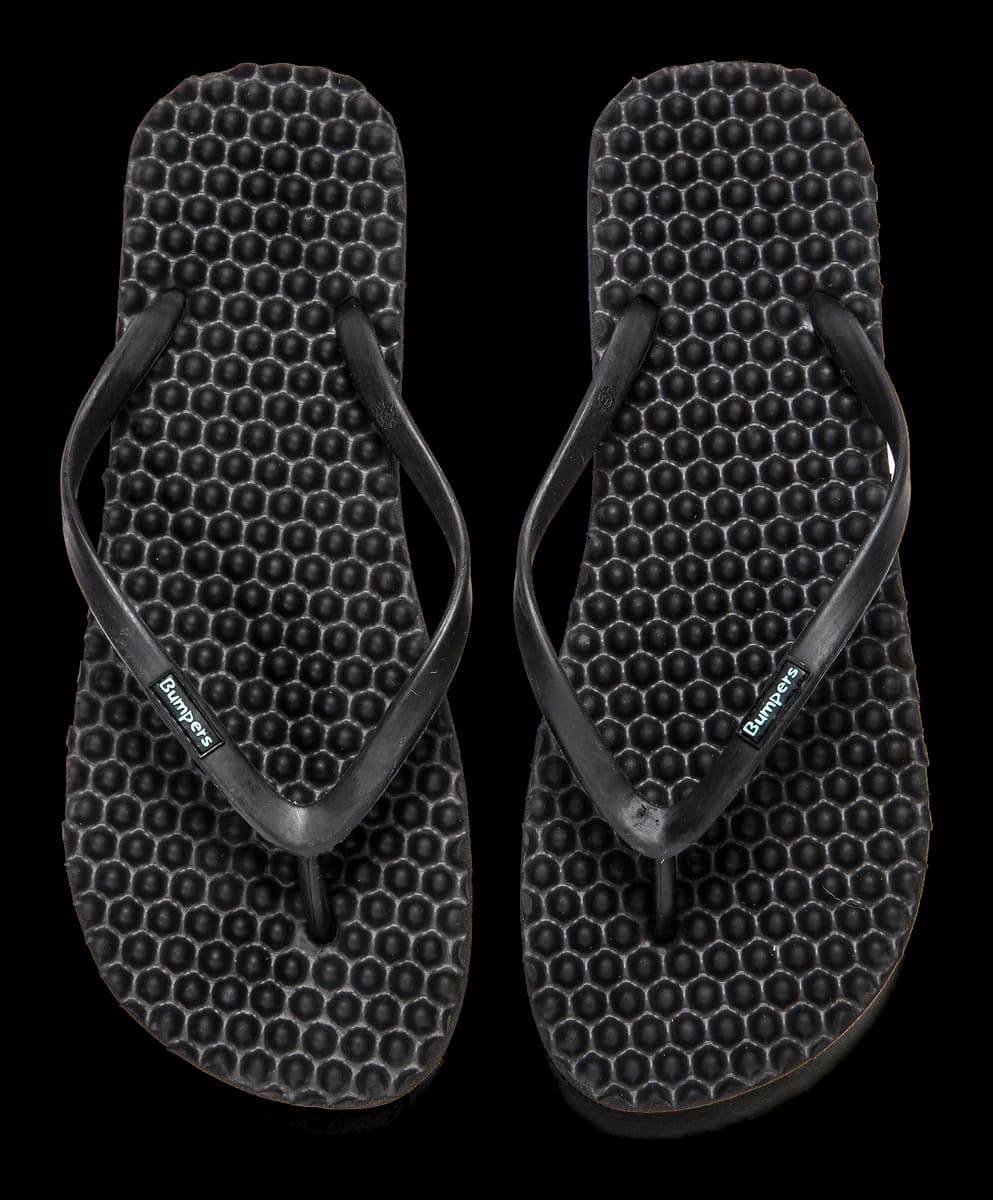
Start with the exact product and component
Natural rubber is a raw-material description, not a complete footwear specification. A buyer should first identify the model, production period, and component covered by the statement. The footbed, sole, strap, adhesives, colorants, labels, and packaging may use different material systems.
For Bumpers, the official Israeli product page describes natural rubber in connection with Bumpers Slim. That is a useful company source, but international product documentation still needs to establish the exact component scope, formulation or percentage, supplier record, and date before broader wording is used.
Verify the evidence chain
Useful records can include a current bill of materials, supplier declaration, technical data sheet, purchase specification, test report, chain-of-custody document, and change-control record. Each record should identify the model or component it covers and the period for which it remains valid.
A photograph of latex collection can explain how natural rubber begins. It does not prove the farm, country, trader, factory, or supplier behind a finished Bumpers product unless those relationships are documented separately.
Separate raw material from finished-product performance
Latex is collected, preserved, processed, compounded, colored, formed, and combined with other inputs before it becomes footwear. Material origin alone does not establish durability, slip performance, allergen information, care, recyclability, or end-of-life behavior.
Retailers and distributors should request the tests and specifications relevant to their intended market and use. General educational content is not a substitute for product compliance documentation or local professional review.
Keep environmental language specific
A natural origin does not automatically establish a lower overall environmental impact. Agriculture, processing, energy, transport, formulation, waste, durability, packaging, and disposal all matter. Broad environmental wording can imply much more than a material record proves.
Do not infer complete-product biodegradability, a certification, zero waste, or universal environmental superiority from the presence of natural rubber. State the verified material, component, scope, and date instead.
Buyer verification checklist
- Which model, component, supplier, and production period does the claim cover?
- Is a current bill of materials available?
- Is composition or percentage information documented?
- What other materials and processing aids are present?
- Which tests, certificates, and change controls apply?
- Are care, durability, packaging, and disposal statements separately supported?
- Has the final wording been approved for the intended market and channel?
Review the Bumpers materials page, test proposed wording with the Responsible Claims Checker, or start a partner inquiry for current documentation.