Material transparency is operational infrastructure for footwear retailers and distributors. It connects product development, supplier records, catalog data, marketplace content, consumer communication, care guidance, compliance review, and post-sale support. When those records are incomplete or inconsistent, the risk travels across every channel.
Customers increasingly ask where materials come from, what a product contains, how it should be used, and whether a broad ethical or environmental statement applies. A responsible seller does not need to answer every question with a marketing claim. It needs a reliable system for distinguishing confirmed information, qualified wording, pending evidence, and statements that must not be published.
Product data needs component-level scope
A footwear record should identify the model, variant, component, material description, source, evidence date, responsible owner, and approval status. Whole-product fields should not inherit a component claim automatically. A natural-rubber-based footbed, for example, does not establish the material composition of straps, adhesives, pigments, packaging, or every version of the product.
This scope is important for product information management, wholesale catalogs, retailer systems, marketplace templates, translations, and customer-service responses. The same approved fact should retain the same meaning wherever it appears.
Vegan claims require a complete review
A vegan footwear claim may need to cover every component and relevant processing aid, not only the most visible material. Supplier declarations, adhesives, dyes, coatings, lubricants, processing aids, and potential animal-derived inputs may all matter. A valid certification logo also requires current authorization and correct use.
If that complete record is not available, a retailer or distributor should not infer a whole-product vegan claim from natural rubber, synthetic straps, or the absence of leather in a product photograph.
Recycled-content claims need percentages and boundaries
Recycled-content wording should identify the relevant component, the percentage, whether the content is pre-consumer or post-consumer where required, the measurement basis, and the supporting record. A recycled package does not make the footwear recycled. A recycled component does not make the whole product recycled.
Partners also need to know whether a percentage applies by weight, to a specific batch, to one colorway, or to an entire model family. Without that precision, a marketplace field or retail sign can overstate the evidence.
Environmental claims must remain evidence-led
Broad terms such as sustainable, eco-friendly, biodegradable, compostable, carbon neutral, and zero impact can imply more than a material record proves. Environmental claims may require life-cycle evidence, defined conditions, qualification, certification, or market-specific legal review.
The practical rule is simple: do not use a broad conclusion when a narrower material fact is the documented truth. State what the component is, where the information came from, when it was verified, and what the record does not cover.
Marketplace and retail systems must stay aligned
Retailers and distributors often publish the same product through store signage, staff guidance, catalogs, product pages, feeds, marketplaces, social media, and support scripts. Every surface needs version control. If a supplier declaration expires or a formulation changes, outdated wording should be traceable and removable.
A useful governance record includes the approved phrase, prohibited alternatives, evidence link, owner, review date, applicable markets, applicable channels, translation status, and next verification date. Marketplace-specific fields should map back to that record rather than being completed from memory.
Responsible customer communication builds trust
Transparency is not a promise that every answer is complete. It is a disciplined way to say what is confirmed and what still requires review. Store teams should have an escalation path for composition, allergy, care, certification, environmental, and product-performance questions that exceed the approved information.
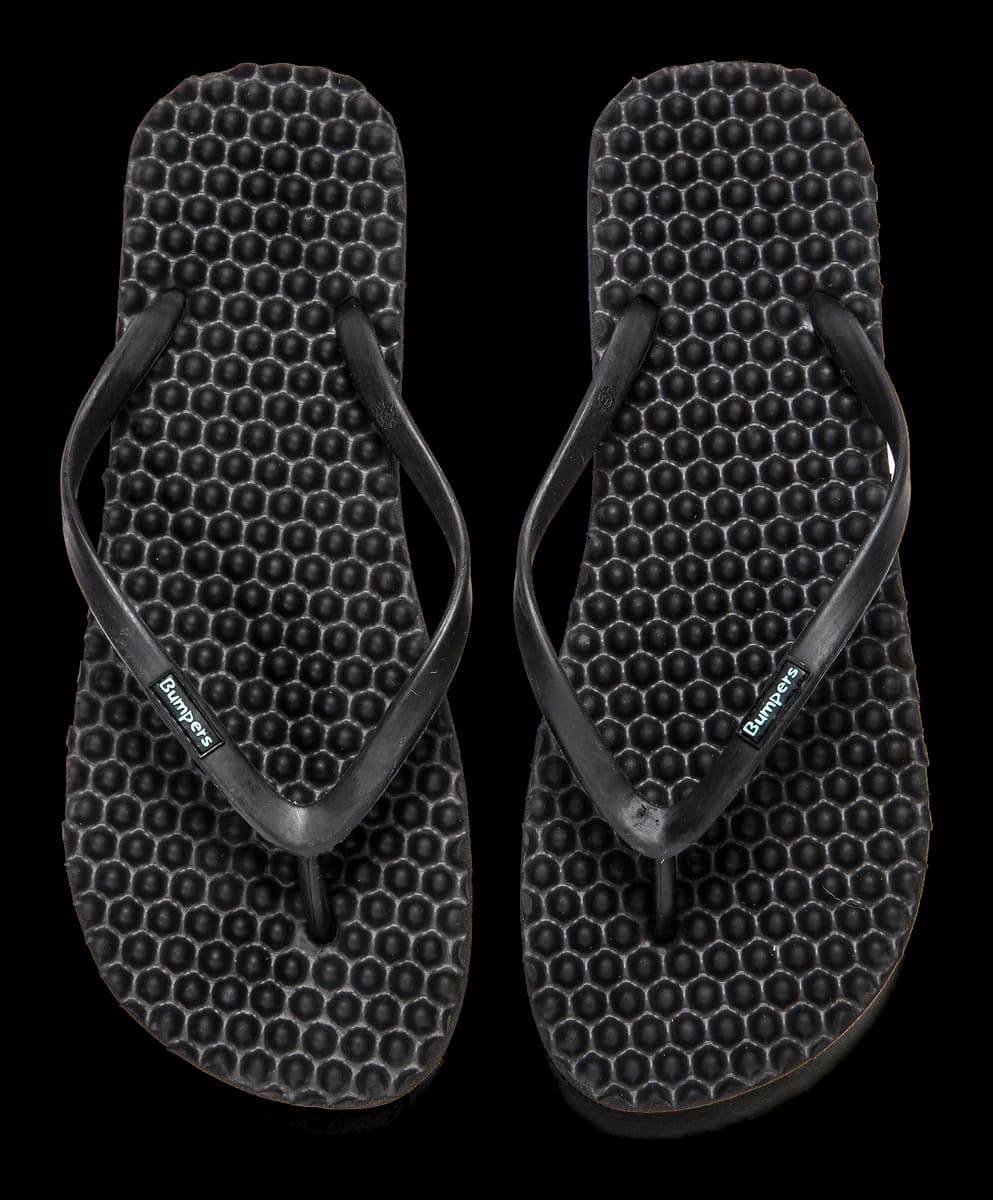
For Bumpers, the current public position is deliberately qualified: selected products use natural-rubber-based components, exact composition varies by product and component, and stronger environmental or vegan statements require product-level documentation. That boundary supports clearer partner communication while additional records are assembled.
A practical checklist for buyers and distributors
- Request a current component-level bill of materials or approved product record.
- Confirm which models, variants, batches, markets, and channels each statement covers.
- Record evidence dates, owners, expiry dates, and publication permission.
- Separate natural material, vegan, recycled content, and environmental claims.
- Align catalog, marketplace, retail, translation, and support copy.
- Train teams to use qualified wording and escalate unsupported questions.
- Revalidate after supplier, formulation, component, packaging, or legal changes.
Qualified businesses can review the Bumpers materials approach, test draft language with the Responsible Claims Checker, explore retail and e-commerce partnerships, or submit a partnership application.