Natural latex is a renewable raw material collected from rubber trees, but that simple origin statement is only the first layer of a finished-product story. Between collection and a product reaching a retail shelf, latex may be preserved, processed, compounded, colored, formed, cured, assembled, finished, packed, and documented. Each stage can change what a seller may responsibly say.
For Bumpers partners, the opportunity is not to turn a raw-material fact into a sweeping environmental promise. It is to explain verified product details in a way that helps customers understand texture, flexibility, construction, and material origin while keeping the evidence boundary visible.
Start with the difference between latex and a finished product
Natural latex is the milky fluid collected from certain rubber trees. Natural rubber is produced from that latex through processing steps that make it suitable for manufacturing. A finished footwear component may use a natural-rubber-based compound, and the complete product may also contain straps, pigments, processing materials, adhesives, labels, packaging, and other components.
That distinction matters. Evidence about latex origin does not automatically prove the exact composition of a finished footbed. Evidence about a footbed does not automatically cover a strap or the complete product. Responsible communication names the model, component, evidence source, date, and scope.
Build the retail story from product-specific facts
A useful retail record begins with the exact product and component. It should identify the approved material wording, the supplier document or product record that supports it, and any limits that must remain next to the claim. If a percentage, certification, chain of custody, recycled content, or end-of-life statement has not been verified, it should not be added by inference.
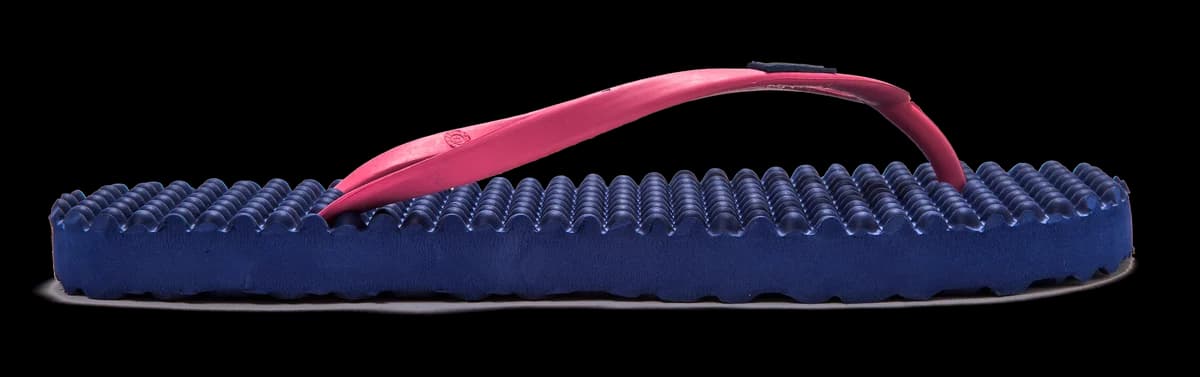
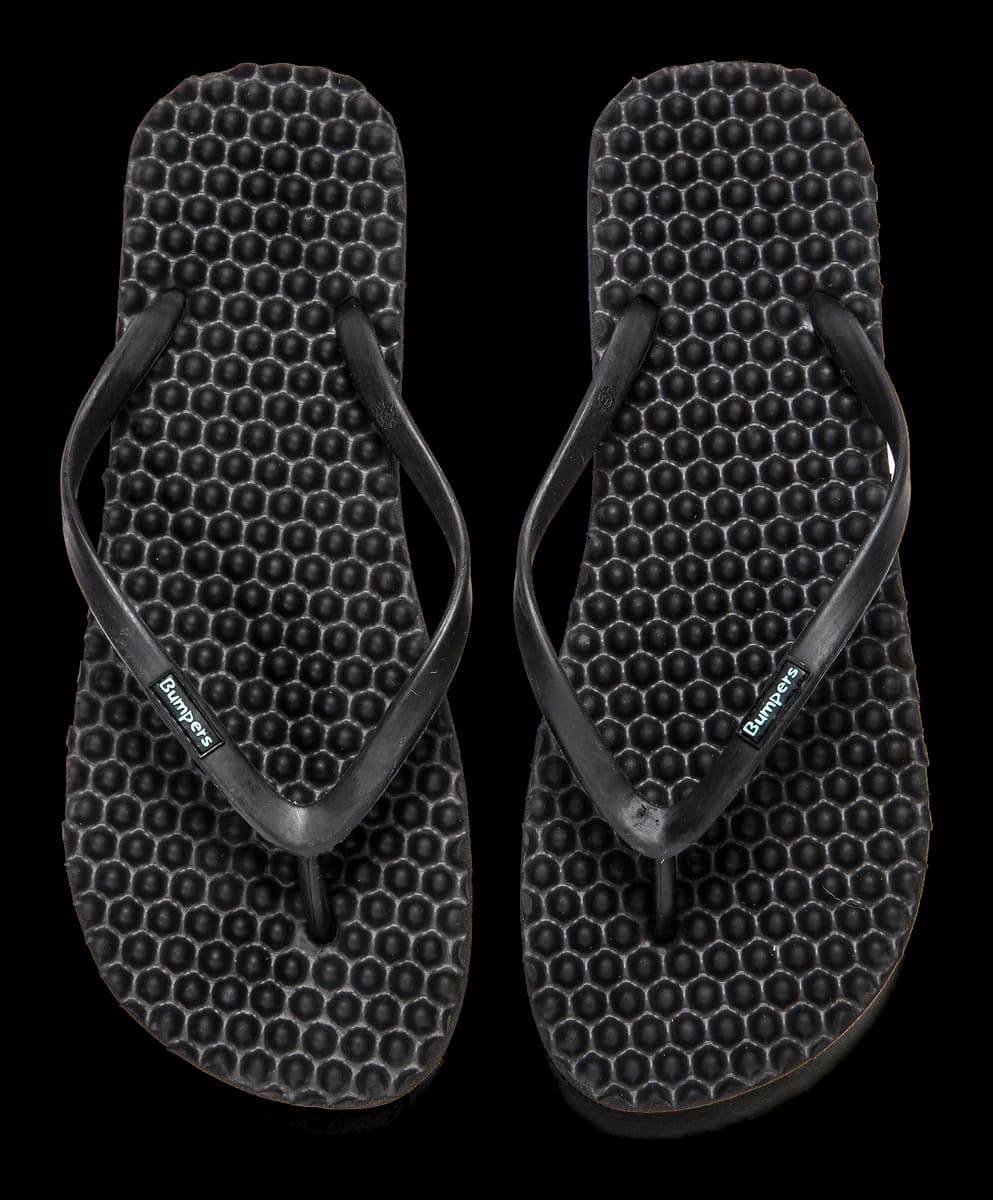
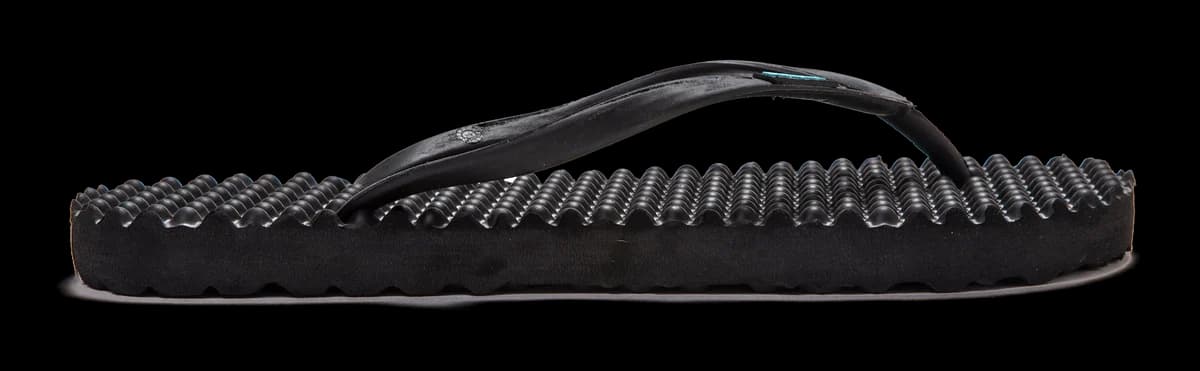
For selected Bumpers products, approved language may describe natural-rubber-based components and the brand's distinctive textured product experience. Exact composition varies by product and component. That is a meaningful story when it is paired with accurate images, tactile product demonstrations, care information, and a clear route for questions.
Give store teams details they can explain
Product education works best when staff can distinguish observation from outcome. They can show the rounded texture, discuss the noticeable underfoot feel, explain that individual preferences vary, and point to approved material information. They should not convert a tactile experience into a medical result, or a natural-material component into a whole-product sustainability claim.
Strong education materials may include a product overview, component diagram, approved wording, claim boundaries, image set, care notes, frequently asked questions, and escalation contact. This creates a stronger retail conversation because the team has meaningful details to explain rather than slogans to repeat.
Keep environmental language proportionate to the evidence
Terms such as biodegradable, compostable, carbon neutral, recycled, vegan, toxin-free, and environmentally friendly carry specific evidence requirements and may be regulated differently by market. Natural-rubber content alone does not prove any of them for the finished product.
The safer working method is to record what is known, state the exact scope, identify what remains unverified, and complete local legal review before publication. If evidence changes because a supplier, formulation, factory, or component changes, the approved wording must be reviewed again.
Use imagery as education, not proof
Footage of latex collection can explain how natural rubber begins. It does not identify a Bumpers plantation, supplier, factory, or chain of custody unless those facts are separately documented. Product macro photography can show the visible texture and construction, but it does not prove composition percentages, environmental performance, or consumer outcomes.
The best visual sequence connects raw-material context, a real Bumpers component close-up, the complete product, and a link to the current material record. Captions should say when a process image is illustrative.
A responsible workflow for approved partners
- Confirm the exact model, component, market, channel, and language.
- Match each material statement to current product-level evidence.
- Separate raw-material education from finished-product claims.
- Use approved product imagery and accurate captions.
- Train teams on both the useful facts and the prohibited shortcuts.
- Review local legal, marketplace, labeling, and consumer-information requirements.
- Reapprove the record when a material, supplier, or formulation changes.
Bumpers Comfort Ltd. is building product-level documentation and partner resources around this process. Qualified partners can review the materials transparency page, use the Responsible Claims Checker, explore official shopping destinations, or start a structured partnership conversation.